Most venue delays in the final weeks before opening aren't caused by the building itself — they're caused by AVL systems that were treated as a checklist item instead of an integrated system, and only get tested together for the first time a few days before doors open.
Sebagian besar keterlambatan venue di minggu-minggu terakhir sebelum opening bukan disebabkan oleh bangunannya sendiri — melainkan oleh sistem AVL yang diperlakukan sebagai item checklist, bukan sebagai satu sistem terintegrasi, dan baru diuji bersama untuk pertama kalinya beberapa hari sebelum pintu dibuka.
Lighting and LED readinessKesiapan lighting dan LED
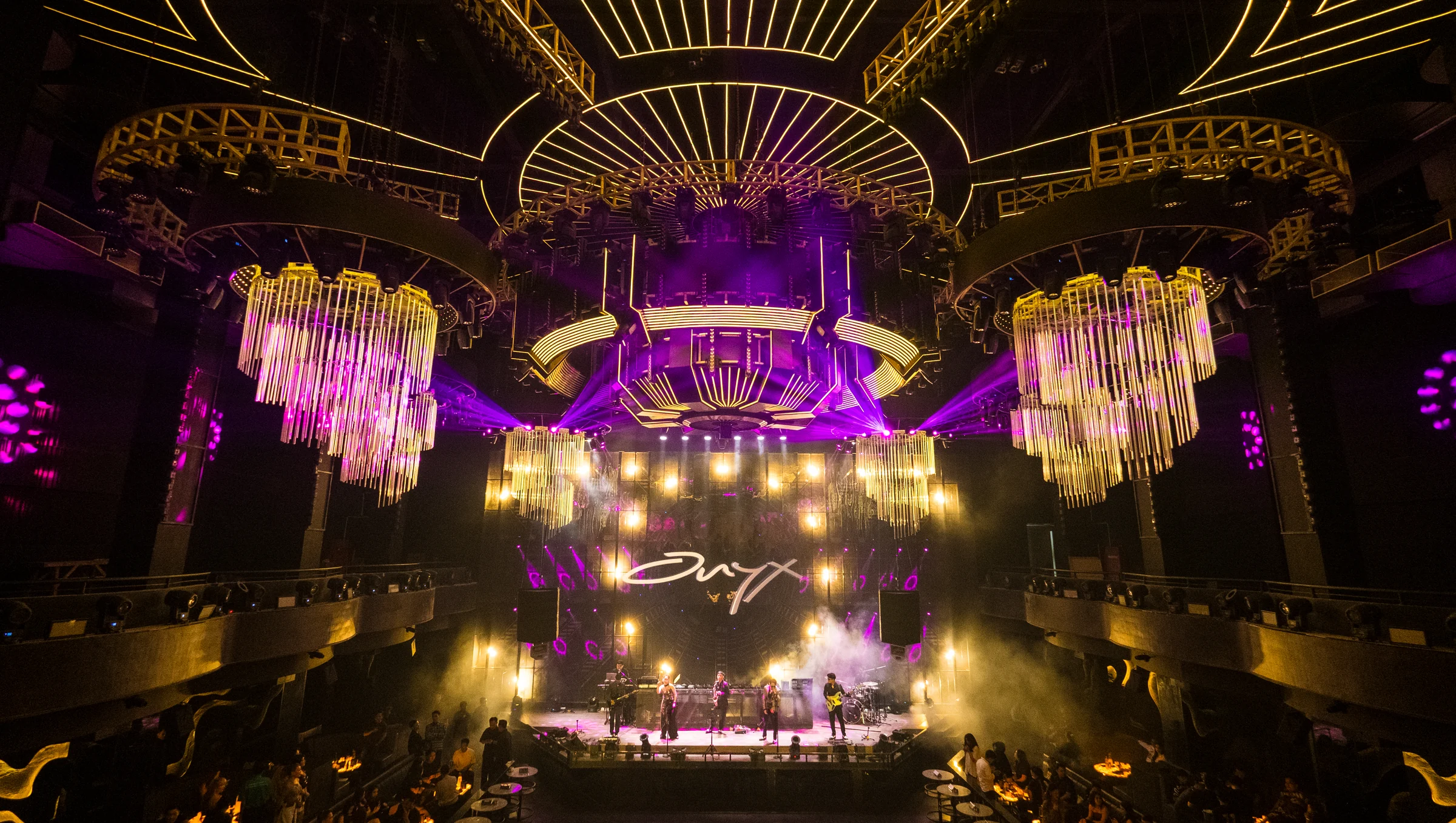
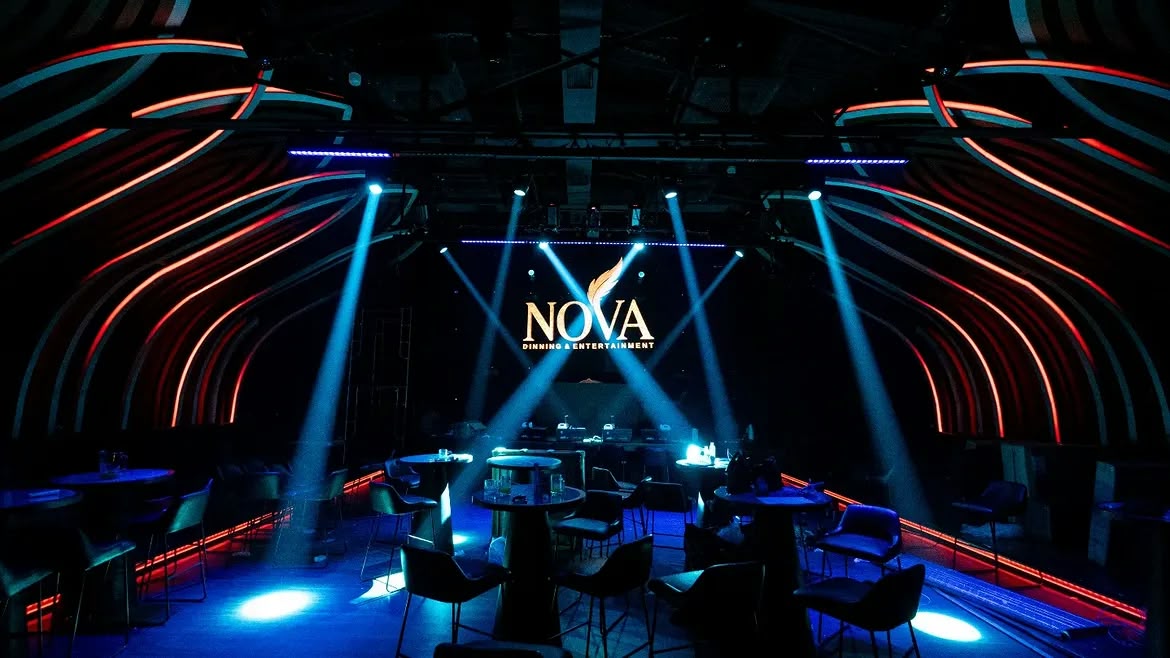
Start with lighting fixtures and control. Every fixture needs to be addressed, patched into the console, and cued — not just physically installed. A rig that's "hung" but not programmed is not a rig that's ready, and cue programming for a real show takes considerably longer than most timelines allow if it starts late.
Mulai dari fixture lighting dan control-nya. Setiap fixture perlu di-address, di-patch ke console, dan di-cue — bukan sekadar dipasang secara fisik. Rig yang "sudah digantung" tapi belum diprogram bukanlah rig yang siap, dan programming cue untuk show sungguhan memakan waktu jauh lebih lama dari yang diperkirakan kebanyakan timeline kalau dimulai terlambat.
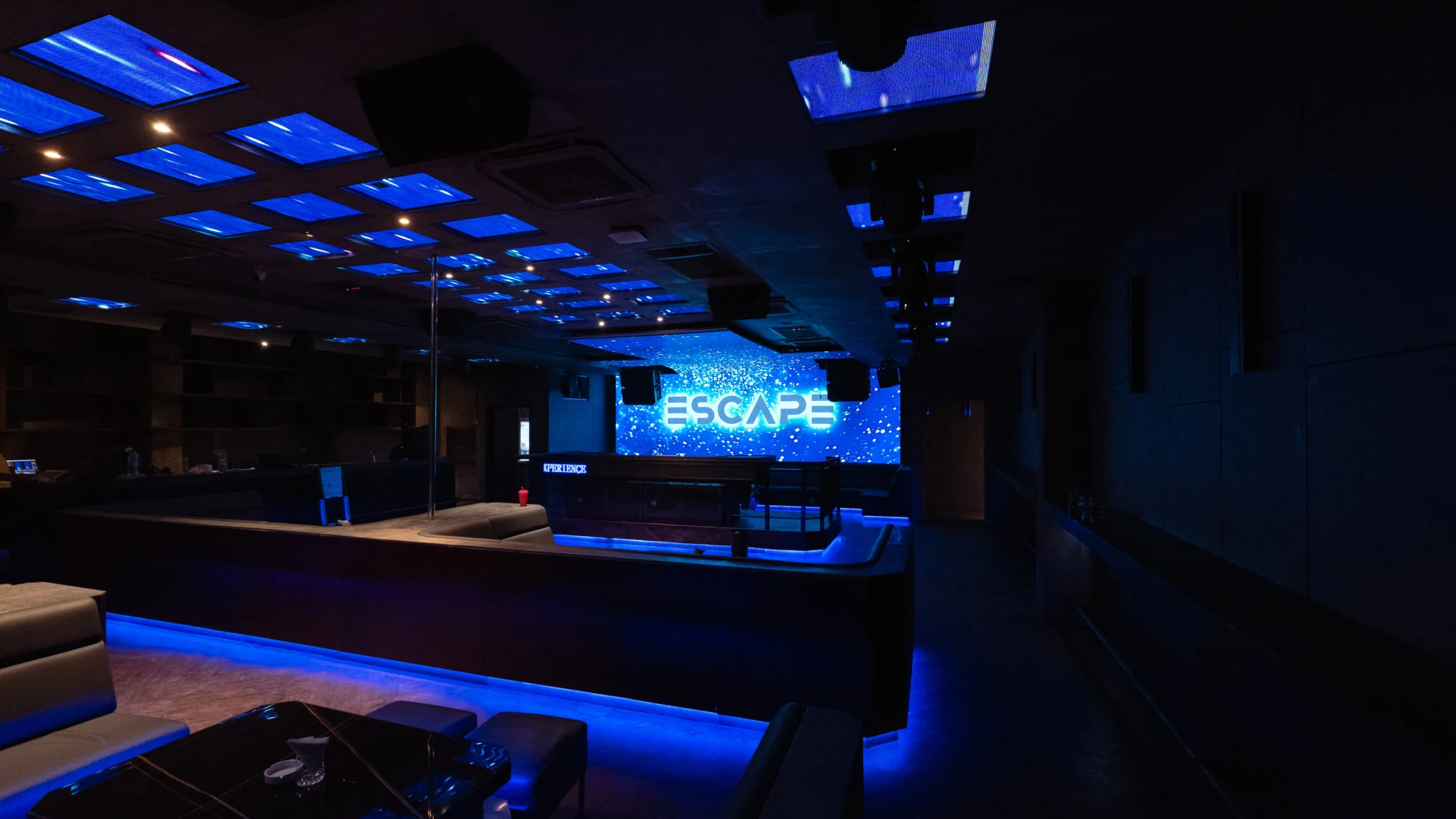
Next is the LED and video layer, if the venue has one. This means confirming the media server or playback system is actually connected to every screen zone, that content has been mapped to the physical layout (not just previewed on a laptop), and that there's a tested fallback if the primary playback source fails mid-show. Venues that skip this step tend to discover their fallback plan doesn't exist during their first real incident, in front of a full room.
Berikutnya adalah layer LED dan video, jika venue memilikinya. Ini berarti memastikan media server atau sistem playback benar-benar terhubung ke setiap zona screen, konten sudah di-mapping ke layout fisik (bukan sekadar di-preview di laptop), dan ada fallback yang sudah diuji jika sumber playback utama gagal di tengah show. Venue yang melewatkan langkah ini biasanya baru menyadari fallback plan mereka tidak ada saat insiden nyata pertama terjadi, di depan ruangan yang penuh.
Network, control and show operationJaringan, kontrol, dan operasi show
Then comes the network and control backbone — the part guests never see but that everything else depends on. Lighting consoles, media servers, and any networked audio all typically share infrastructure, and a poorly planned network is one of the most common causes of an entire show system dropping out simultaneously. This needs to be tested under real load, meaning with everything running at once, not individually.
Kemudian ada backbone network dan control — bagian yang tidak pernah dilihat guest tapi menjadi tumpuan segalanya. Console lighting, media server, dan audio yang ter-network biasanya berbagi infrastruktur yang sama, dan network yang perencanaannya buruk adalah salah satu penyebab paling umum seluruh sistem show mati bersamaan. Ini perlu diuji dengan beban nyata, artinya semuanya berjalan sekaligus, bukan satu per satu.
Show operation readiness is the item most often skipped entirely. Even a perfectly installed system fails on opening night if nobody has walked through a full show run, cue-by-cue, before a live audience is in the room. This includes having actual cue sheets and documentation — not information that lives only in the installer's head — so that whoever is operating the system three months from now, including a replacement operator, can run it consistently.
Kesiapan show operation adalah item yang paling sering dilewatkan sepenuhnya. Bahkan sistem yang terpasang sempurna bisa gagal di malam pembukaan kalau belum ada yang menjalankan full show run, cue demi cue, sebelum audience sungguhan ada di ruangan. Ini termasuk memiliki cue sheet dan dokumentasi yang nyata — bukan informasi yang hanya ada di kepala installer — sehingga siapa pun yang mengoperasikan sistem tiga bulan dari sekarang, termasuk operator pengganti, bisa menjalankannya secara konsisten.
Escalation and handoverEskalasi dan handover
Finally: a defined escalation path. When something goes wrong mid-show — and on any given night, something eventually will — the team needs to know immediately who to call and what the fallback looks like, worked out in advance rather than improvised in the moment.
Terakhir: jalur eskalasi yang jelas. Ketika ada yang salah di tengah show — dan pada malam apa pun, cepat atau lambat pasti ada — tim perlu tahu segera siapa yang harus dihubungi dan seperti apa fallback-nya, yang sudah disusun sejak awal, bukan diimprovisasi saat itu juga.
A useful way to sequence this in the final month: lighting patch and basic cueing in week four, LED content mapping and playback testing in week three, full network and load testing in week two, and a complete dress-rehearsal run-through in the final week — with real content, at real volume, for the full duration of a typical show. Any AVL system that hasn't been run end-to-end before opening night is still, in an important sense, unfinished — regardless of how complete the installation looks.
Cara yang berguna untuk mengurutkan ini di bulan terakhir: patching lighting dan cueing dasar di minggu keempat, mapping konten LED dan testing playback di minggu ketiga, testing network dan beban penuh di minggu kedua, dan dress-rehearsal lengkap di minggu terakhir — dengan konten nyata, volume nyata, selama durasi penuh show tipikal. Sistem AVL mana pun yang belum dijalankan end-to-end sebelum malam pembukaan, dalam arti penting, masih belum selesai — terlepas seberapa lengkap instalasinya terlihat.
If you're heading into an opening date and want a second set of eyes on where your system actually stands, a walkthrough against this checklist is usually enough to surface the gaps before they surface themselves during a live show.
Jika Anda sedang menuju tanggal opening dan ingin sudut pandang kedua tentang posisi sistem Anda sebenarnya, walkthrough terhadap checklist ini biasanya cukup untuk menemukan celah sebelum celah itu muncul sendiri saat show berlangsung.