
"How much for an LED wall?" is one of the first questions every venue owner asks, and it's also the hardest to answer with a single number — because LED cost is really four separate decisions stacked together, not one line item.
"Berapa harga LED wall?" adalah salah satu pertanyaan pertama yang ditanyakan setiap pemilik venue, dan ini juga yang paling sulit dijawab dengan satu angka — karena biaya LED sebenarnya adalah empat keputusan terpisah yang ditumpuk jadi satu, bukan satu item biaya tunggal.
Pixel pitch and panel sizePixel pitch dan ukuran panel
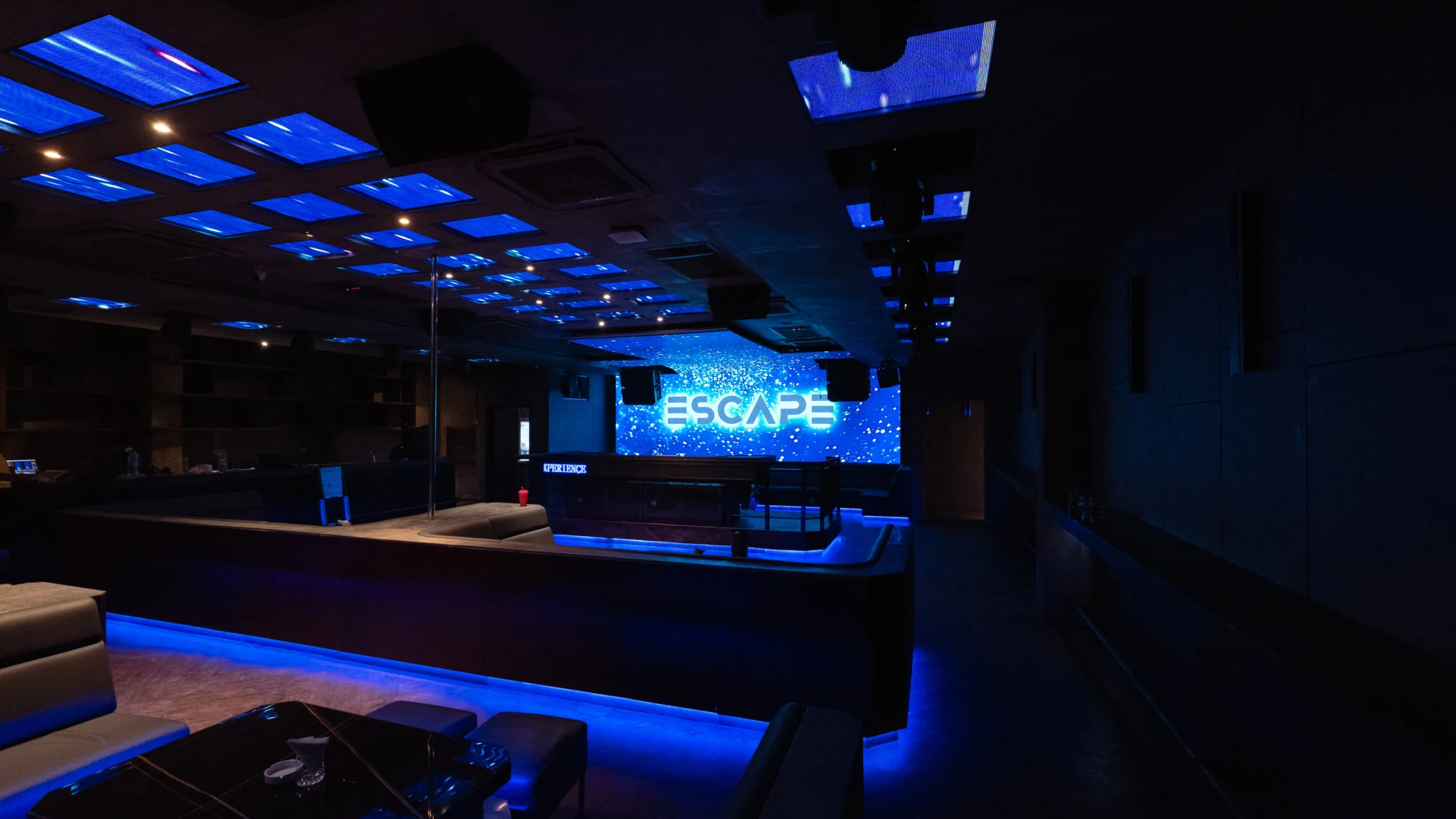
The first is pixel pitch, meaning the distance between individual LEDs, measured in millimetres. A tighter pitch (P2.5, P1.8) looks sharper up close and costs significantly more per square metre, which matters for a screen guests stand right in front of. A wider pitch (P4, P5) is more affordable and works fine for content viewed from a few metres back — a ceiling panel or a main stage backdrop, for example. Matching pitch to actual viewing distance is the single biggest lever on price, and it's also the one first-time buyers get wrong most often: paying for resolution nobody will ever be close enough to see.
Yang pertama adalah pixel pitch, yaitu jarak antar LED individual, diukur dalam milimeter. Pitch yang lebih rapat (P2.5, P1.8) terlihat lebih tajam dari jarak dekat dan biayanya jauh lebih mahal per meter persegi — ini penting untuk screen yang akan dilihat guest dari jarak sangat dekat. Pitch yang lebih lebar (P4, P5) lebih terjangkau dan tetap bagus untuk konten yang dilihat dari jarak beberapa meter — misalnya panel ceiling atau backdrop main stage. Menyesuaikan pitch dengan jarak pandang sebenarnya adalah faktor tunggal terbesar yang memengaruhi harga, dan ini juga kesalahan paling umum yang dibuat pembeli pertama kali: membayar resolusi yang tidak akan pernah dilihat dari jarak sedekat itu.
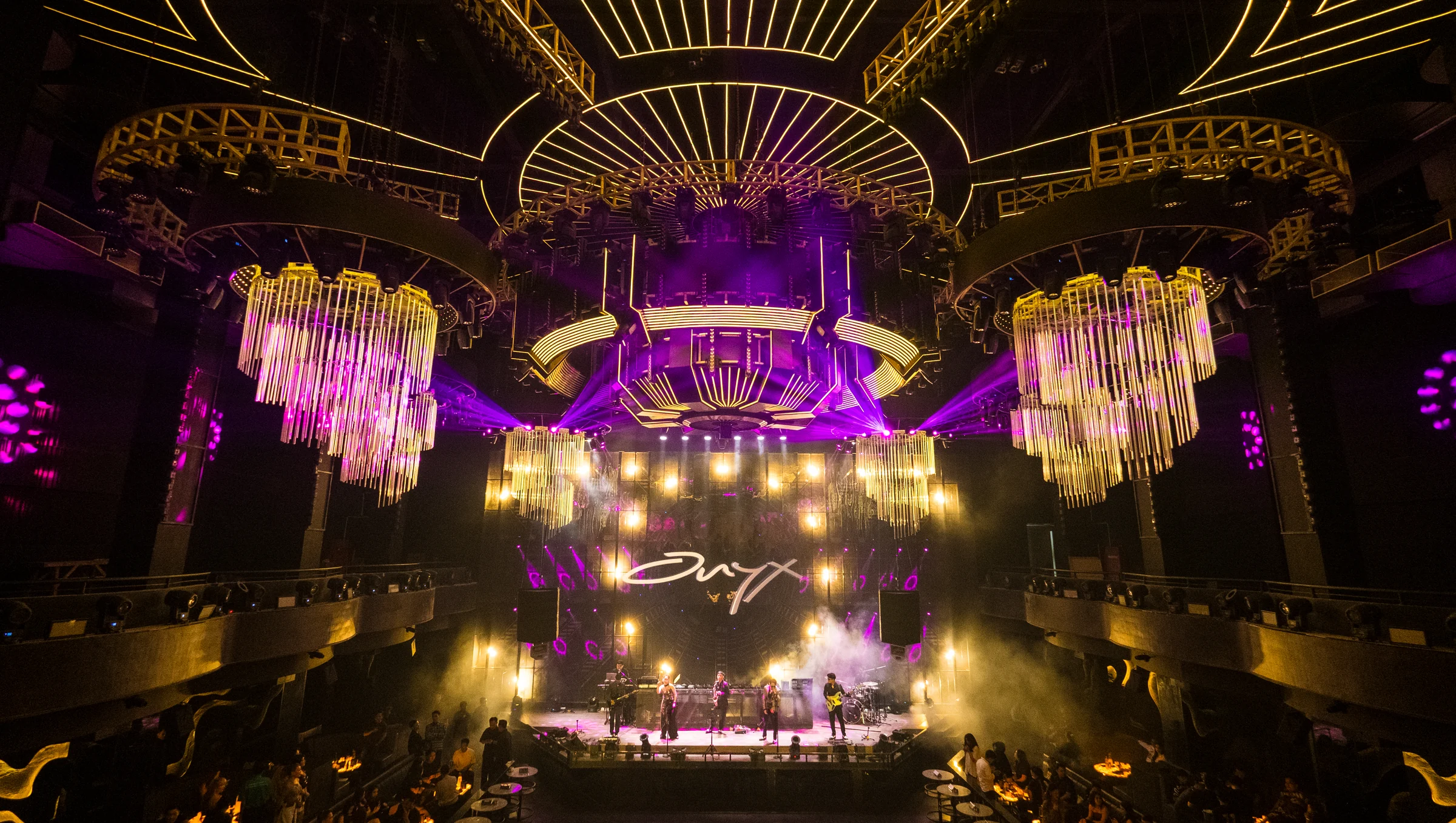
The second is total panel area. Pricing is quoted per square metre, so a full-height club stage backdrop costs meaningfully more than a compact DJ booth accent panel — obvious once stated, but it's why two venues can get wildly different quotes for "an LED screen" when they actually mean two very different sizes.
Yang kedua adalah total luas panel. Harga dihitung per meter persegi, jadi backdrop stage club setinggi penuh jelas jauh lebih mahal dibanding panel aksen DJ booth yang compact — terdengar jelas kalau sudah dijelaskan, tapi inilah alasan dua venue bisa mendapat penawaran yang sangat berbeda untuk "satu LED screen" padahal yang mereka maksud sebenarnya dua ukuran yang sangat berbeda.
Processing, control and installationProcessing, kontrol, dan instalasi
The third, and the one that's easiest to underestimate, is the processing and control layer sitting behind the panels: a media server or video processor, a signal distribution system, and the show-control workflow that lets an operator actually run content live instead of playing a static loop. Skimping here is the most common false economy in the industry — venues buy beautiful panels and then can't operate them reliably during a live show, because nobody budgeted for the system that drives them.
Yang ketiga, dan paling sering diremehkan, adalah layer processing dan control di belakang panel: media server atau video processor, sistem distribusi sinyal, dan workflow show-control yang memungkinkan operator benar-benar menjalankan konten secara live, bukan sekadar memutar loop statis. Menghemat di bagian ini adalah kesalahan ekonomi paling umum di industri ini — venue membeli panel yang indah lalu tidak bisa mengoperasikannya secara reliable saat show berlangsung, karena tidak ada yang menganggarkan sistem yang menjalankannya.
The fourth is installation: structural mounting (especially for anything overhead, which has real safety and rigging requirements), cabling, and on-site commissioning. A screen that isn't installed to handle vibration, heat, and daily power cycling in a nightclub environment will fail faster than its specification sheet suggests.
Yang keempat adalah instalasi: mounting struktural (terutama untuk apa pun yang digantung overhead, yang punya persyaratan keamanan dan rigging yang nyata), kabling, dan commissioning di lokasi. Screen yang tidak dipasang untuk menahan getaran, panas, dan siklus daya harian di lingkungan nightclub akan rusak lebih cepat dari yang tertulis di spesifikasinya.
Prepare a useful project briefSiapkan brief proyek yang berguna
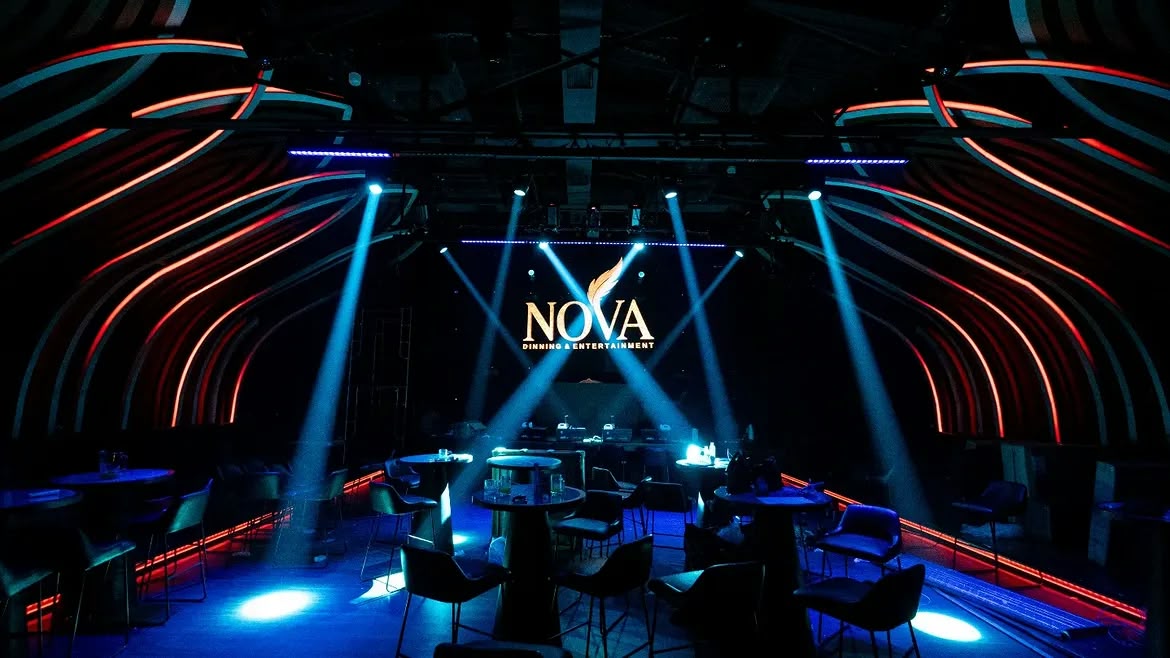
A rough way to think about budget ranges: a compact accent installation (a DJ booth panel or a small brand wall) sits at the lower end: mid-pitch panels, modest area, straightforward single-zone control. A full venue system — main stage LED, ceiling panels, and a proper media-server workflow tying it all together — sits at the upper end, and the processing/control layer often ends up being 20-30% of total project cost, not an afterthought.
Cara kasar untuk memperkirakan rentang anggaran: instalasi aksen yang compact (panel DJ booth atau brand wall kecil) berada di kisaran bawah — panel dengan pitch menengah, luas sedang, control satu zona yang sederhana. Sistem venue penuh — main stage LED, panel ceiling, dan workflow media server yang tepat menghubungkan semuanya — berada di kisaran atas, dan layer processing/control seringkali berakhir menjadi 20-30% dari total biaya project, bukan sekadar tambahan di akhir.
The most useful thing you can do before requesting quotes is have three numbers ready: the physical dimensions of the space you want covered, the typical viewing distance for your guests, and whether you need this to run daily unattended content or live-operated show content. Those three answers alone let a system integrator size the pixel pitch correctly and scope the control layer honestly, instead of guessing — which is usually where budget surprises come from later, not from the panels themselves.
Hal paling berguna yang bisa Anda lakukan sebelum meminta penawaran adalah menyiapkan tiga angka: dimensi fisik ruang yang ingin dicover, jarak pandang tipikal guest Anda, dan apakah ini perlu menjalankan konten harian tanpa operator atau konten show yang dioperasikan secara live. Tiga jawaban ini saja memungkinkan system integrator menentukan pixel pitch dengan tepat dan menyusun scope control layer secara jujur, bukan menebak-nebak — yang biasanya menjadi sumber kejutan anggaran di kemudian hari, bukan dari panelnya sendiri.
If you're planning an LED or videotron installation and want a realistic number for your specific space, share the venue dimensions and intended use — a walkthrough and a scoped recommendation is the fastest way to get an accurate figure instead of a generic price list.
Jika Anda sedang merencanakan instalasi LED atau videotron dan ingin angka yang realistis untuk ruang spesifik Anda, bagikan dimensi venue dan kebutuhan penggunaannya — walkthrough dan rekomendasi yang tepat scope adalah cara tercepat mendapatkan angka akurat, dibanding daftar harga generik.